
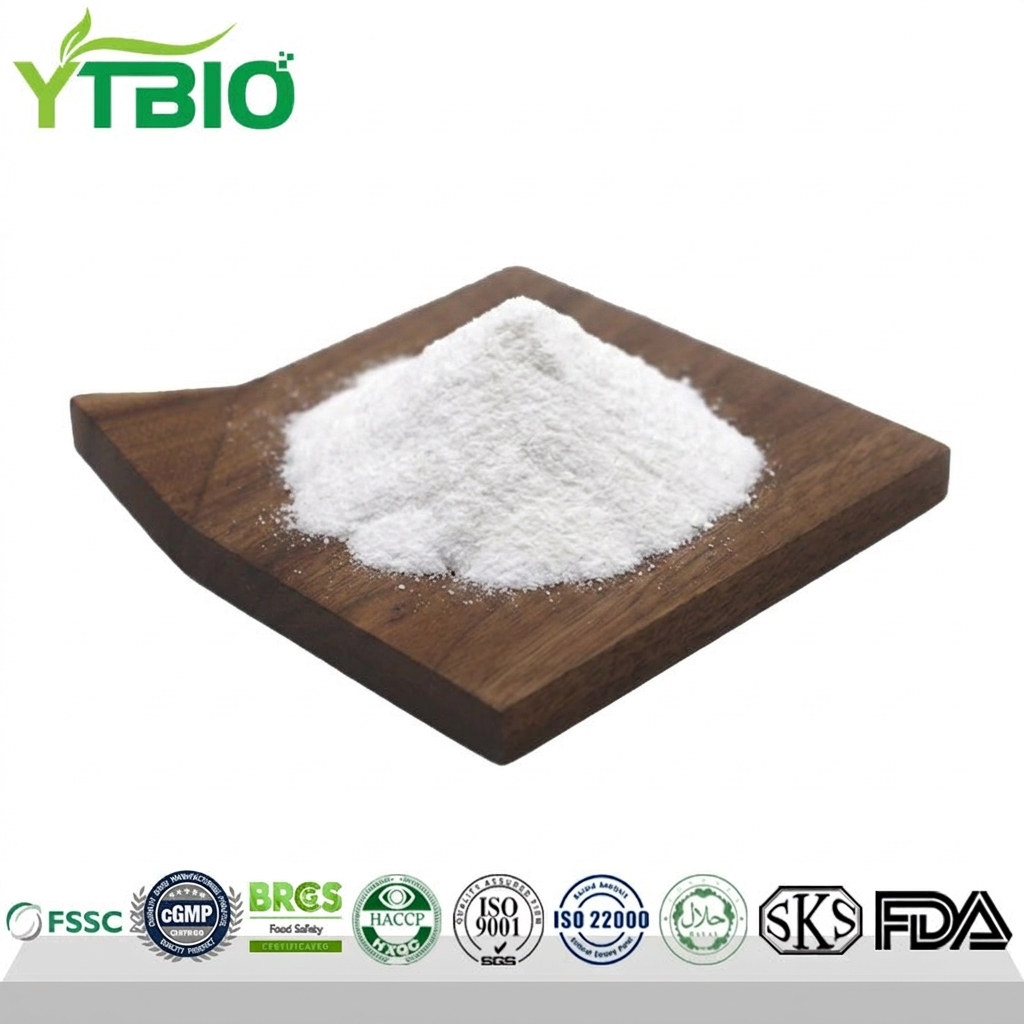
Bulk Supply Sodium Caseinate Powder Food Grade CAS 9005-46-3
Sodium Caseinate: Product Introduction
Sodium caseinate serves as the sodium salt form of casein found in milk. Casein is the most abundant protein in milk—constituting approximately 80% of its total protein content—and is naturally insoluble in water. However, through an acid-base neutralization reaction with sodium hydroxide to form its sodium salt, sodium caseinate acquires excellent water solubility and surface-active properties. As a high-quality nutritional fortifier, sodium caseinate is rich in various essential amino acids required by the human body, and its amino acid profile closely aligns with human nutritional needs; consequently, it is frequently utilized in high-protein beverages and medical foods. Beyond the food sector, sodium caseinate also finds extensive application in industries such as daily chemicals (e.g., skincare products and cosmetics) and pharmaceuticals (e.g., medicinal emulsions and coating materials).
What is the mechanism of action of sodium caseinate?
Its molecules possess a characteristic "amphiphilic" structure: one end is hydrophobic, capable of firmly adsorbing onto the surface of fat globules; the other end is hydrophilic, capable of extending into the aqueous phase.
This structure enables it to form a dense, tough, and elastic protective protein film at the oil-water interface, thereby uniformly dispersing the fat globules and preventing their aggregation. This mechanism differs fundamentally from that of colloids—such as carrageenan—which physically encapsulate fat globules within a gel network.
What are the characteristics of sodium caseinate?
Thickening Properties
Sodium caseinate is a high-molecular-weight protein; in aqueous solutions, it inherently exhibits a certain degree of viscosity. In industrial production, depending on the specific manufacturing process, it can be classified into low-, medium-, and high-viscosity grades.
Emulsifying Properties
Its molecular structure contains both hydrophilic groups (such as carboxyl and amino groups) and hydrophobic groups (such as the side chains of phenylalanine and tyrosine), thereby endowing it with emulsifying capabilities. Emulsifiers formulated using sodium caseinate demonstrate superior stability compared to those prepared from other proteins, such as whey protein or soy protein.
Thermal Stability
Sodium caseinate exhibits excellent thermal stability. While most protein molecules—such as those found in eggs or soy—consist of interconnected hydrophobic and hydrophilic groups that are prone to heat-induced denaturation, sodium caseinate emulsions can withstand high-temperature sterilization (up to 120°C) without compromising their stability or functionality. This resilience is primarily attributed to the formation of a robust, hydrophilic protein film (approximately 1 nm thick) on the surface of the fat globules, which effectively prevents the breakdown of the emulsified system.
Foaming Properties
Foaming capacity is maximized at concentrations ranging from 0.5% to 0.8%; concentrations that are either too high or too low will result in diminished foaming power. While the presence of ions—such as sodium and calcium—may reduce the initial foaming capacity, they serve to extend the foam's retention time (e.g., by enhancing stability when used in whipped cream applications).
|
ITEM |
STANDARD |
TEST RESULT |
|
Protein (Dry Basis) |
≥ 88.0% |
90.53% |
|
Appearance |
Creamy white or pale yellow powder |
Complies |
|
Odor & Taste |
Odorless; slight milky aroma |
Complies |
|
Particle Size |
90-120 mesh |
Complies |
|
Loss on Drying |
≤ 6.00% |
5.21% |
|
Fat |
≤ 2.00% |
1.89% |
|
Ash |
≤ 6.0% |
3.83% |
|
pH Value |
6.0-7.5 |
6.7 |
|
Viscosity |
200-3000 mPa.s |
1195.4 |
|
Pb |
≤ 1.0mg/kg |
0.024mg/kg |
|
As |
≤ 2.0mg/kg |
0.013mg/kg |
|
Total Plate Count |
≤ 10,000cfu/g |
2,600cfu/g |
|
Coliforms |
≤ 10cfu/g |
< 10cfu/g |
|
Staphylococcus aureus |
Negative |
Not detected |
|
Salmonella |
Negative |
Not detected |
|
Melamine |
≤ 2.5mg/kg |
Not detected |
|
Conclusion |
Conform with specification,Non-irradiation,Non-GMO,Allergen Free, BSE/TSE Free |
|
|
Storage |
Store in cool and dry places. Keep away from strong light and heat |
|
|
Packing |
By 25kgs/Drum, inner by double plastic bag |
|
|
Shelf Life |
24 months under the above condition,and in it’s original package |
|
Benefits of Sodium Caseinate
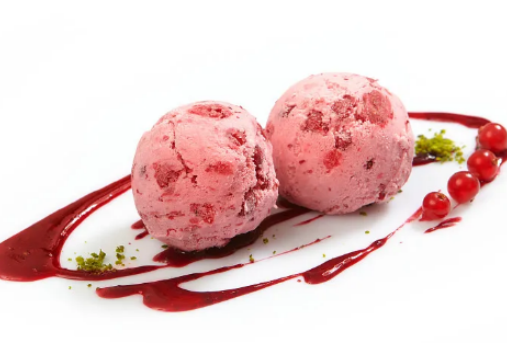
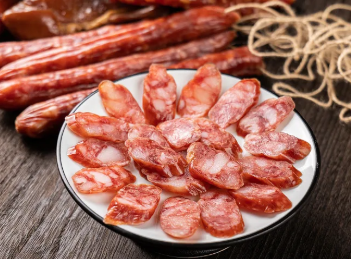
Sodium caseinate exhibits exceptional emulsification stability. Its amphiphilic molecules are capable of adsorbing at the oil-water interface, forming a robust interfacial film that prevents oil droplet aggregation and phase separation. This characteristic enables it to effectively inhibit fat separation during meat product processing; specifically, during the chopping and emulsifying stage, sodium caseinate rapidly adsorbs onto the surfaces of newly formed fat globules, creating a protective film approximately 10 nanometers thick that can withstand the thermal shock of high-temperature sterilization as well as mechanical shear forces. In typical formulations, the addition of 1.5% sodium caseinate can reduce the fat separation rate in low-fat sausages by over 80%, while simultaneously significantly minimizing moisture loss. In ice cream production, it serves to stabilize air bubbles; ice cream formulations must balance three core performance metrics—"fine texture," "melt resistance," and "overrun" (expansion rate)—yet in traditional recipes, the lactose present in milk powder and condensed milk is prone to crystallization, which negatively impacts texture.
The incorporation of sodium caseinate effectively resolves this critical challenge:
Stabilizing Air Bubbles and Fat: Its molecules adsorb at the gas-liquid and oil-water interfaces, forming a resilient interfacial film that simultaneously stabilizes the air bubbles introduced during whipping (boosting the overrun to 80%–100%) and prevents the aggregation of fat globules, thereby preventing the finished product from "oiling off."
In the production of processed cheese, natural cheese is prone to issues such as fat separation and coarse texture when subjected to heat. Through an "ion exchange and emulsification encapsulation" mechanism, sodium caseinate interacts with the calcium ions present in the cheese; this interaction causes the protein matrix to redissolve and unfold, thereby uniformly encapsulating the fat particles to form a stable system. Ultimately, this imparts the following qualities to the finished product:
Excellent melting and stretch characteristics, making it ideal for heated applications such as pizzas and hamburgers, where it resists breaking or crumbling upon heating;
Extended shelf life, preventing phase separation and hardening during refrigerated storage. The typical inclusion rate ranges from 1.5% to 3%, and it is frequently used in combination with phosphates to further enhance its emulsifying efficacy. Baked Goods
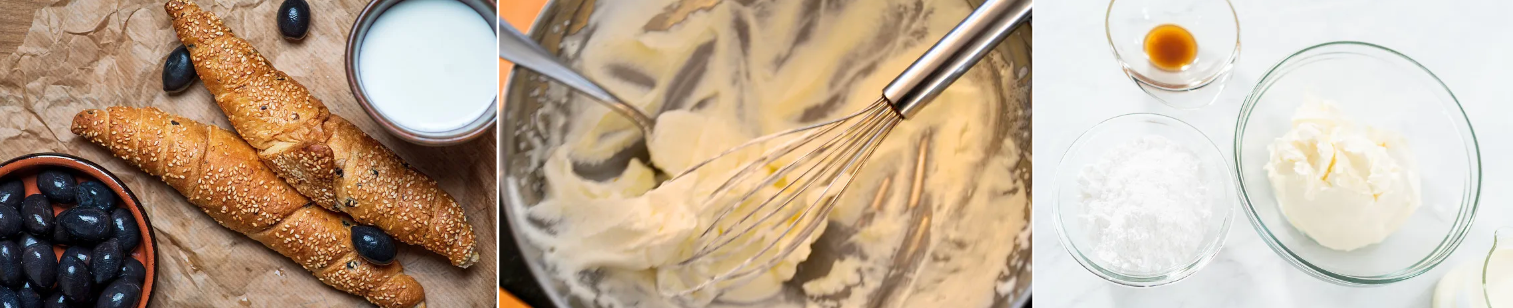
Sodium caseinate is frequently utilized in baked goods; beyond leveraging its excellent emulsifying properties to enhance product quality and extend shelf life, it offers significant nutritional benefits. Given its high lysine content, sodium caseinate effectively compensates for the lysine deficiencies inherent in cereal proteins, thereby substantially elevating the nutritional value of baked products.
Application Areas Overview
|
Application Area |
Specific Application Scenarios |
Recommended Dosage |
Core Functions |
|
Food Industry (Core Application) |
Ice cream / popsicles |
0.3%–0.8% |
Improves overrun, inhibits ice crystal growth, enhances freeze-thaw stability, and improves mouthfeel smoothness |
|
|
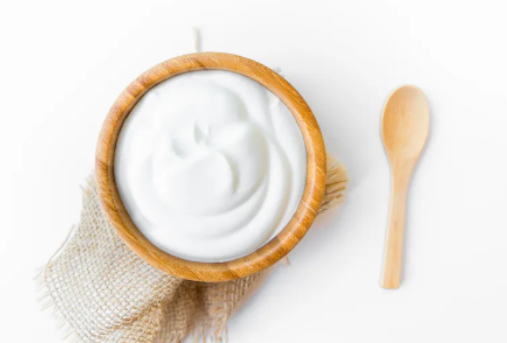
Yogurt / fermented milk |
0.2%–0.5% |
Enhances gel firmness and water-holding capacity, improves texture and mouthfeel, and reduces whey separation |
|
|
Sausages / ham / luncheon meat |
1%–2% |
Emulsifies fat to prevent separation, improves meat emulsion binding and water retention, reduces cooking loss, and increases yield |
|
|
Bread / cakes / biscuits |
0.2%–0.5% |
Emulsifies fat, improves dough gas retention, delays staling, and extends shelf life |
|
|
Plant protein beverages (walnut milk, almond milk, etc.) |
0.2%–0.5% |
Stabilizes the product system, prevents stratification and precipitation, and improves mouthfeel smoothness |
|
Personal Care & Cosmetics |
Creams, lotions, shampoos, conditioners |
0.5%–2.0% |
Acts as an antistatic agent, humectant, and conditioner to improve the smoothness and moisturization of skin and hair |
|
|
Toothpaste, mouthwash |
0.1%–0.5% |
Stabilizes the foam system, improves product taste, and helps protect tooth enamel |
|
Dietary Supplements |
Sports nutrition foods, elderly/post-operative recovery foods |
5%–20% |
Provides sustained-release high-quality protein, supports muscle repair, and supplements essential amino acids |
|
Industrial Applications |
Young animal feed, aquafeed, pet food |
1%–5% |
Provides a high-protein, easily digestible nutrient source, improving survival rate and growth performance of young animals |
 |
 |
 |
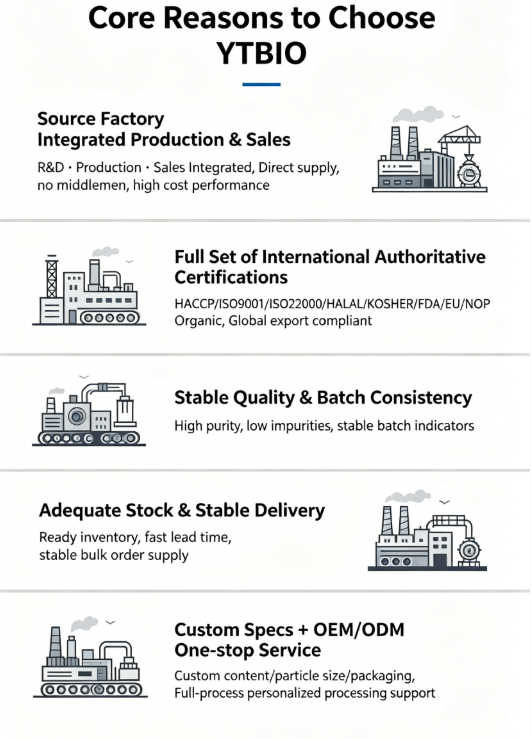
What can YTBIO offer you when sourcing sodium caseinate powder?
YTBIO supplies high-quality, food-grade sodium caseinate powder characterized by its high purity and excellent solubility. Our products hold numerous international compliance certifications, and every batch is accompanied by a comprehensive test report. With ample stock currently available at our facility, we accommodate both small and large-volume orders, as well as customized packaging requests. Our product is suitable for a wide range of applications—including meat products, beverages, and nutritional foods—and we also provide technical guidance on product formulation. We ensure efficient and secure global logistics, offering a stable supply chain backed by attentive after-sales support.
FAQ
Q:What is the product grade?
A:It meets food-grade standards, features a high protein content, and complies with all regulations for food applications.
Q:How are its solubility and mouthfeel?
A:The powder is fine and dissolves easily; it offers excellent emulsifying and thickening properties, resulting in a smooth mouthfeel free of impurities.
Q:What certifications and documentation are available?
A:We hold certifications such as ISO, HALAL, KOSHER, and FDA; a Certificate of Analysis (COA) is provided with every batch.
Q:What are the Minimum Order Quantity (MOQ) and packaging specifications?
A:The standard packaging is 25kg drums; we accommodate orders of all sizes and offer customized packaging options.
Q:Which industries and applications is it suitable for?
A:It is widely used in the production of meat products, dairy products, beverages, meal replacements, nutritional foods, and similar sectors.
Q:Are samples available for testing?
A:We can provide small samples for trial purposes, allowing clients to conveniently test for compatibility and suitability.
Q:Is the supply and delivery timeline reliable?
A:Our factory maintains a consistent stock of ready-to-ship inventory; we ensure efficient domestic and international delivery, guaranteeing a stable long-term supply.
Why Choose YTBIO's Sodium Caseinate?
Email: sales@sxytbio.com
WhatsApp/phone: +86 17782577059
