

Almond Protein: Why Is It Becoming a Preferred Choice In Food Formulation?
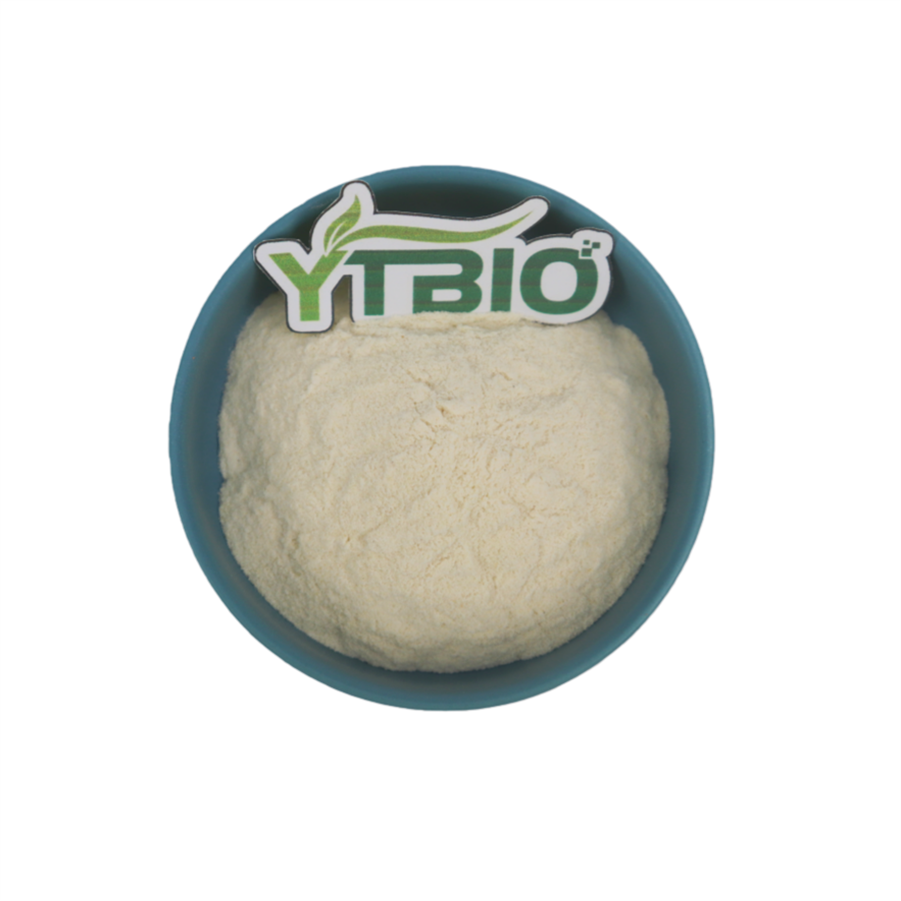
Amidst the continued growth in public demand for plant-based protein, almond protein is gradually gaining mainstream attention. It's not only a rich source of nutrition but also represents the food industry's comprehensive evaluation of health attributes, flavor experience, and sustainable value. So, with mature protein ingredients already widely used, why does almond protein continue to gain increasing favor from brands and consumers?

Comprehensive Nutrition
Almond protein is derived from natural almonds, retaining the unique nutritional structure of nuts. Its amino acid composition is relatively balanced, containing many essential amino acids needed by the human body and rich in branched-chain amino acids (BCAAs), which can support daily energy expenditure and exercise recovery. At the same time, almond protein also contains nutrients such as vitamin E, magnesium, high-quality unsaturated fatty acids, and dietary fiber, giving it higher overall nutritional value while providing protein supplementation. Compared to the bloating or gastrointestinal irritation that some plant proteins may cause, almond protein is more digestibly tolerable, suitable for long-term, daily intake.
Flavor-Friendly
In food applications, flavor is often a key factor determining whether an ingredient will be widely accepted. Almond protein has a natural advantage in this regard—it has a smooth, delicate texture, a nutty aroma, and no noticeable beany or off-flavor.
This characteristic makes almond protein more compatible in beverage, baked goods, and functional food formulations, not only without masking the original flavor but also helping to enhance the overall taste.
Sustainability Compliance
Plant proteins inherently consume fewer resources than animal proteins. As a nut-derived protein, almond protein's sustainability potential is constantly increasing. For companies that value environmental protection and long-term brand value, almond protein is a raw material choice that balances functionality and environmental friendliness.
Application Potential
Almond protein has good solubility and flavor, making it versatile for various food categories:
Ready-to-eat products: Added to oats, plant-based yogurt, or cereal products for complete nutrition.
Baking and functional snacks: Partially replaces flour in high-protein muffins, energy bars, and healthy baked goods.
Beverages and nutritional supplements: Suitable for shakes, meal replacement drinks, or instant protein powder.
However, in terms of protein content alone, almond protein is generally lower than pea protein or soy protein isolate. However, its protein content is sufficient for most daily nutritional and sports supplement needs. More importantly, almond protein offers a good balance between taste, nutrition, and acceptability, which is precisely its value in formulations.
Conclusion
The role of almond protein extends beyond protein supplementation; it also lies in balancing flavor experience with sustainable development, making it an increasingly important component of functional foods, healthy snacks, and plant-based formulations.
As a supplier of plant-based ingredients, YTBIO is committed to providing stable, safe, and promising almond protein solutions. For any needs or questions, please contact us for dedicated service: sales@sxytbio.com