
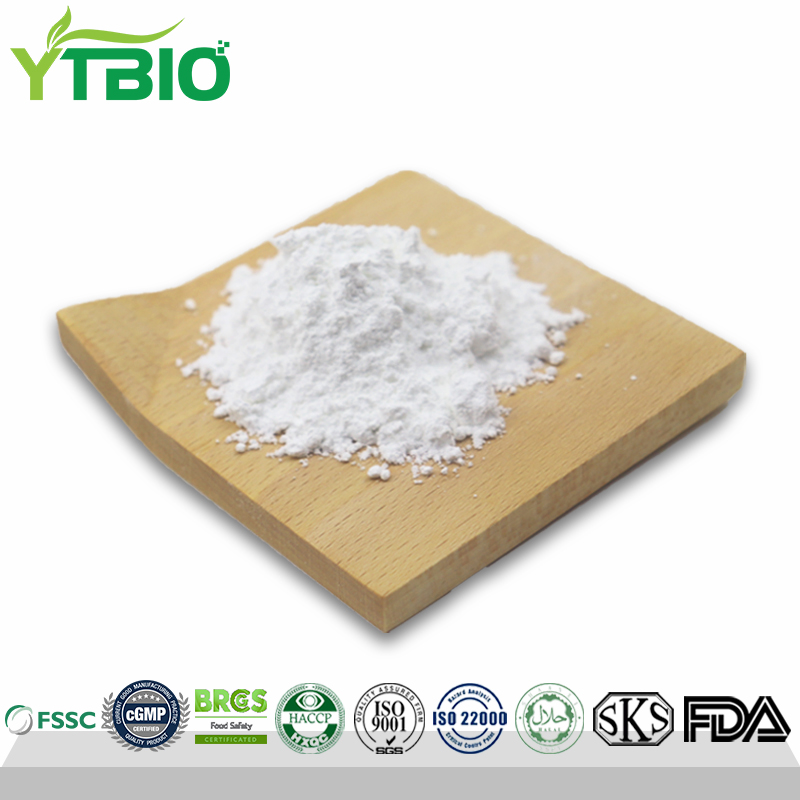
99% L-Tyrosine CAS 60-18-4
What is L-Tyrosine?
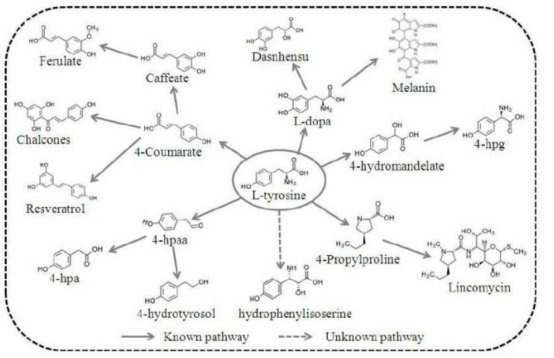
L-Tyrosine (Tyr) is an essential amino acid that plays a crucial role in the metabolism, growth, and development of humans and animals. It is widely used in the food, feed, pharmaceutical, and chemical industries. It is often used as a nutritional supplement for patients with phenylketonuria and as a raw material for the preparation of various pharmaceutical and chemical products. With the discovery of more high-value-added L-Tyrosine derivatives such as danshensu, resveratrol, and hydroxytyrosol in vivo, L-Tyrosine is increasingly becoming a platform compound.
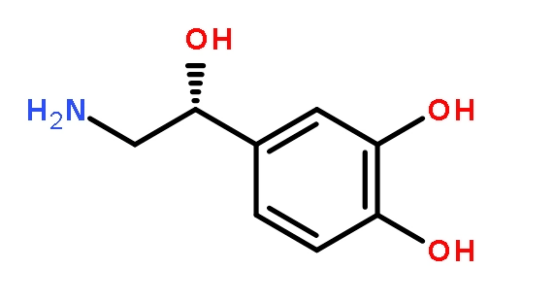
L-Tyrosine is a non-essential amino acid synthesized from phenylalanine in the human body and can be found in many high-protein foods, such as chicken, fish, milk, yogurt, cheese, peanuts, almonds, pumpkin seeds, sesame seeds, soy products, avocados, and bananas.
L-Tyrosine was initially produced primarily through protein hydrolysis. However, this method has been phased out due to drawbacks such as limited material resources, complex processes and products, and long production cycles. L-Tyrosine is primarily produced by enzymatic methods, microbial fermentation, extraction, and chemical methods.
YTBIO: Providing High-Quality L-Tyrosine and Services
High-quality nutritional supplements are crucial to your health journey. YTBIO specializes in providing high-quality L-Tyrosine.
Why choose YTBIO? We hold the following certifications:
- cGMP, ISO9001, and ISO22000 certifications ensure rigorous quality control throughout the entire process;
- BRC and HACCP system certifications ensure product safety and reliability;
- EU and NOP organic, kosher, and halal certifications meet various global standards and dietary requirements.
We specialize in the research, development, and production of natural plant extracts, cosmetic active ingredients, and health foods. We primarily produce plant extracts, health food ingredients, and a variety of end-use products, including capsules, softgels, granular capsules, gummies, tablets, and solid beverages. Our production facilities and equipment meet national standards, and our production processes strictly adhere to GMP requirements. If you have any questions, please feel free to contact us at sales@sxytbio.com
What are the benefits of L-tyrosine?
Neurotransmitter synthesis
L-tyrosine is a precursor to neurotransmitters such as dopamine, norepinephrine, and epinephrine. These neurotransmitters are crucial for mood regulation, attention, cognitive function, and the ability to cope with stress.
Thyroid hormone synthesis
L-tyrosine participates in the synthesis of thyroid hormones, helping maintain normal metabolic function, body temperature regulation, and energy levels.
Melanin synthesis
L-tyrosine is a building block for melanin synthesis, helping maintain healthy pigmentation in the skin, hair, and eyes.
Supporting athletic performance and recovery
In sports nutrition, L-tyrosine is believed to help reduce fatigue, improve endurance, and accelerate recovery, especially during high-intensity or prolonged exercise.
Potential anxiolytic and antidepressant effects: By supporting the synthesis of neurotransmitters, L-tyrosine may help alleviate symptoms of anxiety, depression, and chronic fatigue.
What are the uses of L-tyrosine?
Nutritional Supplements
It is commonly used in health supplements to improve mental well-being, relieve fatigue, and boost immunity.
Sports Nutrition: It is added to products such as protein powders and energy bars to help athletes improve performance, reduce fatigue, and accelerate recovery.
Functional Foods: It is added to energy drinks and nutritional supplements to enhance overall health.
Skin Care
Anti-Aging and Whitening: L-tyrosine, due to its antioxidant properties, is added to anti-wrinkle creams and whitening products to help reduce wrinkles and brighten skin.
Food Additives
Food Flavor Enhancer: L-tyrosine has umami properties and can be used to enhance the taste and flavor of foods such as meat products and condiments.
Medical Fields
Treatment of Neurological Disorders: As a precursor to neurotransmitters such as dopamine and norepinephrine, L-tyrosine is used to improve cognitive function, combat stress, and treat certain neurodegenerative diseases.
Thyroid Function Support: It participates in thyroid hormone synthesis and is used as an adjunct to the treatment of thyroid dysfunction.
Is L-tyrosine effective for treating gray hair?
Modern research indicates that insufficient tyrosinase activity is a major cause of melanin loss in hair. Tyrosinase requires L-tyrosine as a raw material to synthesize melanin. Therefore, supplementing with L-tyrosine is believed to help restore hair pigmentation. L-tyrosine is an essential amino acid involved in the synthesis of melanin and neurotransmitters such as dopamine and norepinephrine.
When tyrosinase activity decreases, lack of sufficient L-tyrosine as a substrate disrupts the melanin synthesis chain, resulting in gray hair. Moderate L-tyrosine supplementation can provide sufficient raw material for tyrosinase and support hair pigmentation.
Nutritional supplements based on L-tyrosine are also available, typically as dietary supplements. Compared to food, capsules or powders offer the advantage of a more concentrated dose and are easier to take. However, it's important to note that they are not a panacea for darker hair and should only be used as part of a comprehensive nutritional regimen.
Many people simply purchase supplements, but not all cases of gray hair are caused by L-tyrosine deficiency. The scientific approach is to visit a doctor for a blood test to check amino acid levels, or have a doctor assess your diet and nutritional status to determine if there are deficiencies. Blindly supplementing without a diagnosis can lead to an imbalance in the body's amino acid ratio, which can actually increase the burden on the liver and kidneys. Therefore, it's recommended to first obtain a clear diagnosis, then take appropriate supplements under the guidance of a doctor or nutritionist.
L-tyrosine is only a "raw material." Sufficient tyrosinase activity and trace elements (such as copper, iron, and B vitamins) are also required for successful melanin synthesis.
The causes of gray hair are complex and may involve genetics, stress, oxidative stress, and other factors. Therefore, simply supplementing with L-tyrosine may not completely reverse gray hair.
L-tyrosine does have scientific significance for hair pigmentation, but whether additional supplementation is necessary should be determined based on testing and professional advice. A balanced diet and a regular sleep schedule are fundamental to long-term, dark hair maintenance.